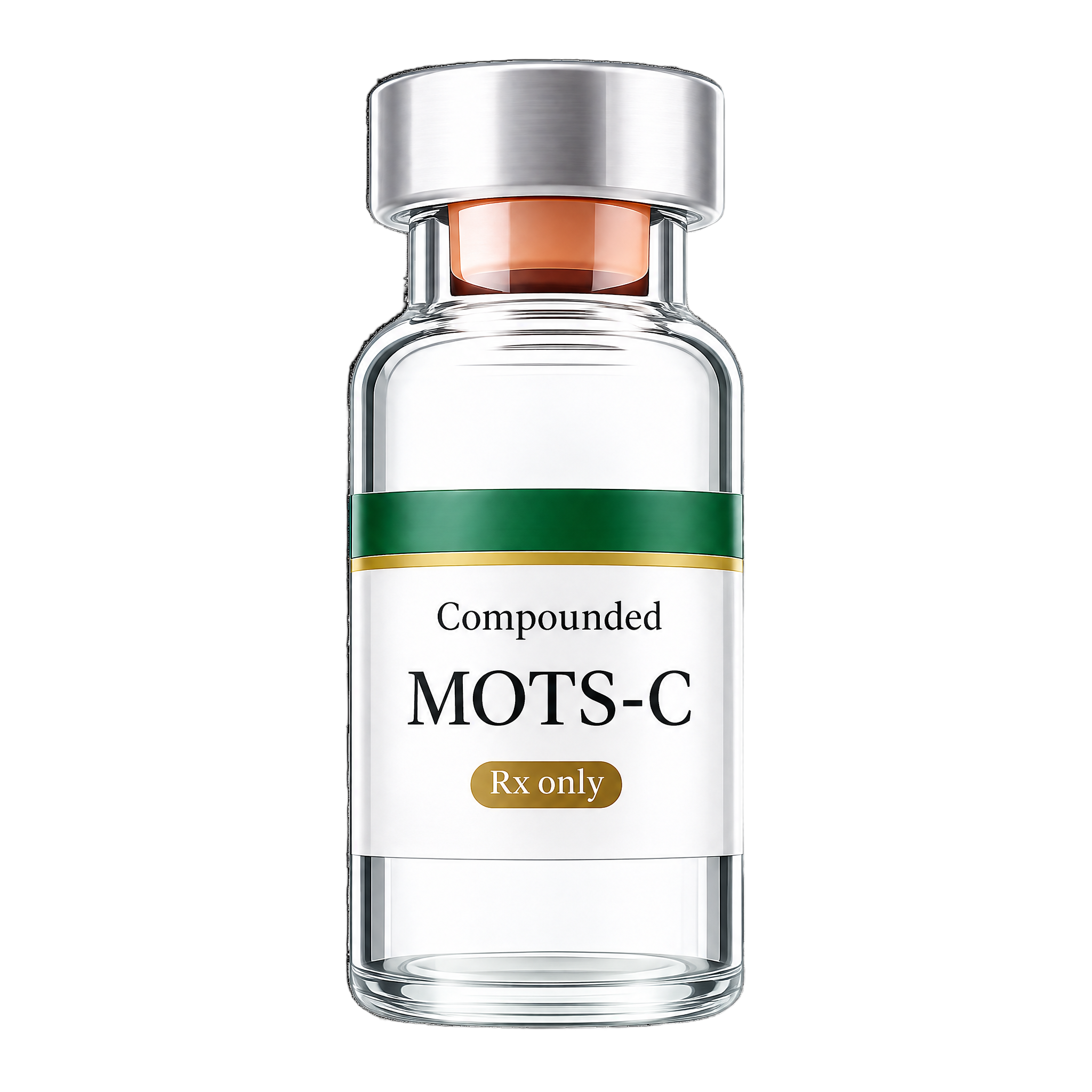
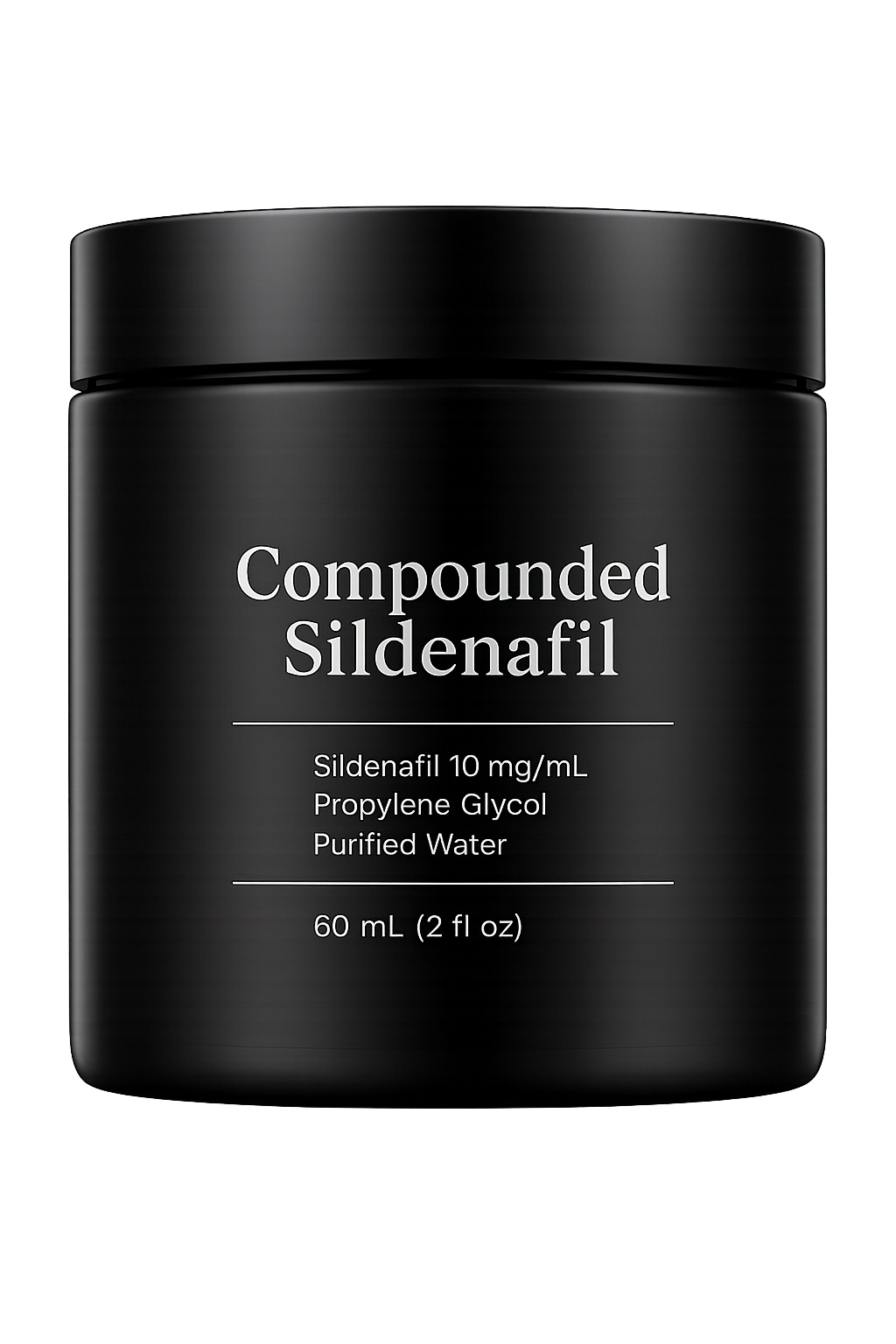
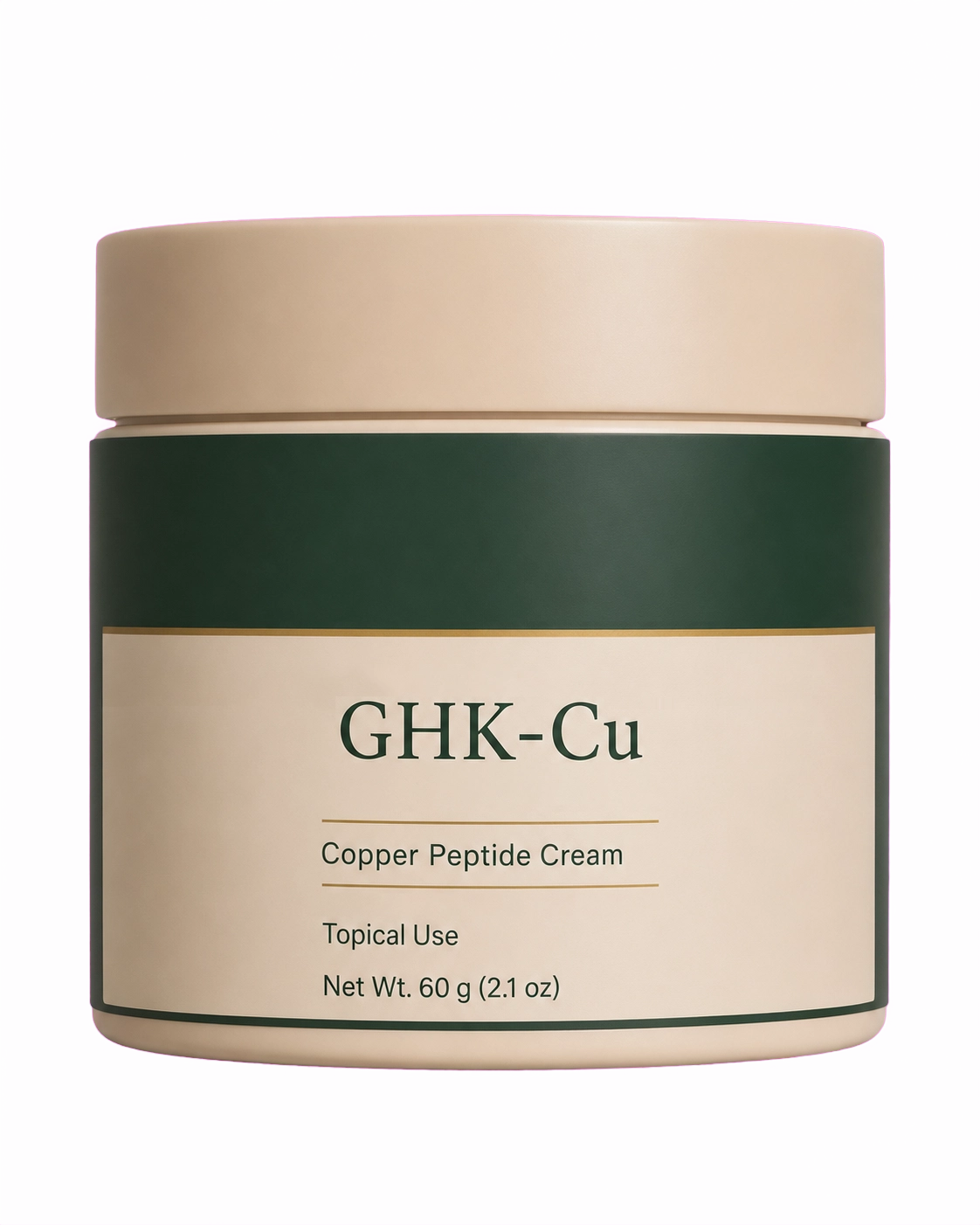
Compounded Medication Disclosure: Compounded medications are not FDA approved. FDA does not review compounded drugs for safety, effectiveness, or quality. A licensed clinician will determine whether a compounded medication is medically necessary for you after reviewing your individual needs. A valid prescription is required.
Compounded semaglutide may be considered when a licensed provider determines that a patient’s medical needs cannot be met by an FDA-approved medication. Eligibility, formulation, dosage, and treatment decisions are determined individually following a medical review. Results vary.
Prescription required: Completing the intake does not guarantee approval. Medication is available only after review and approval by a licensed healthcare provider. If prescribed, a state-licensed pharmacy fills it, depending on patient location and availability. It ships only to eligible states.
Important safety information: Tell your provider about all medications, supplements, allergies, and health conditions, and whether you are pregnant or breastfeeding. Your provider will review possible side effects and interactions before deciding whether treatment is appropriate.
The intake takes about 5 minutes to complete.



Semaglutide is a GLP-1 medication. Compounded semaglutide is prepared by a state-licensed pharmacy for an individual patient after a licensed provider writes a prescription. It is available here as an injection or a tablet.
No. Compounded medications are not FDA approved, and the FDA does not review them for safety, effectiveness or quality before they are dispensed. Results from clinical trials of FDA-approved products do not apply to compounded versions.
No. Compounded semaglutide is not a generic version of, or equivalent to, FDA-approved products such as WEGOVY® or OZEMPIC®.
Your provider decides which form fits your health history and preferences. See all weight loss options, including compounded tirzepatide.
Semaglutide carries a warning about thyroid C-cell tumors seen in rodents. Do not use it if you or a family member has had medullary thyroid carcinoma (MTC), or if you have multiple endocrine neoplasia syndrome type 2 (MEN 2). Tell your provider if you are pregnant, planning a pregnancy or breastfeeding.
Nausea, vomiting, diarrhea and constipation are common with GLP-1 medications. Because this medication is compounded, complete information about how often side effects occur is limited. Your provider reviews your risks and medications before prescribing.
Your provider sets your starting dose and any changes based on your health history and how you respond.
One of our state-licensed pharmacies, based on your location and medication. The pharmacy appears on your prescription label. See our official information page for the full list.
The online intake is free. Your price is shown at checkout before you pay.


Stackhaus Health works with independent, state-licensed clinicians through its partner provider networks, The Network Health and Zira Medical. If clinically appropriate, prescriptions may be fulfilled by a licensed pharmacy partner based on patient location and availability. Compounded medications are not FDA-approved or reviewed for safety, effectiveness, quality, or equivalence to FDA-approved products such as MOUNJARO®, ZEPBOUND®, WEGOVY®, or OZEMPIC®. Information about tirzepatide, semaglutide, or potential outcomes does not apply specifically to Stackhaus Health’s compounded formulations. Treatment requires approval and supervision by a licensed provider. Results vary, no outcome is guaranteed, and product images are for illustration only.
States served: AK, AL, AR, AZ, CA, CO, CT, DE, FL, GA, HI, IA, ID, IL, IN, KS, KY, LA, MA, MD, ME, MI, MN, MO, MS, MT, NC, ND, NE, NH, NJ, NM, NV, NY, OH, OK, OR, PA, RI, SC, SD, TN, TX, UT, VA, VT, WA, WI, WV, WY.
Dispensing Pharmacies:If prescribed, medication may be fulfilled based on patient location, pharmacy licensure, and availability by Emerald Compounding Pharmacy LLC, 5325 Primrose Lake Circle, Suite A, Tampa, FL 33647, (321) 321-3313; Striker Pharmacy, LLC, 1330 Pin Oak Rd., Katy, TX 77494, (832) 437-8624; Foothills Professional Pharmacy Ltd., 2727 W. Baseline Rd., Suite 1, Tempe, AZ 85283, (480) 496-4444, fax (480) 496-4450; Epiq Scripts LLC, 465 W. President George Bush Hwy., Suite 240, Richardson, TX 75080, (833) 654-3553, fax (888) 522-6059; or Strive Pharmacy LLC, 1275 E. Baseline Rd., Suite 104, Gilbert, AZ 85233, (480) 626-4366, fax (480) 626-4365. A licensed provider must determine that treatment is appropriate and issue a valid prescription. Compounded medications are not FDA approved, and the actual dispensing pharmacy will be identified on the prescription label.